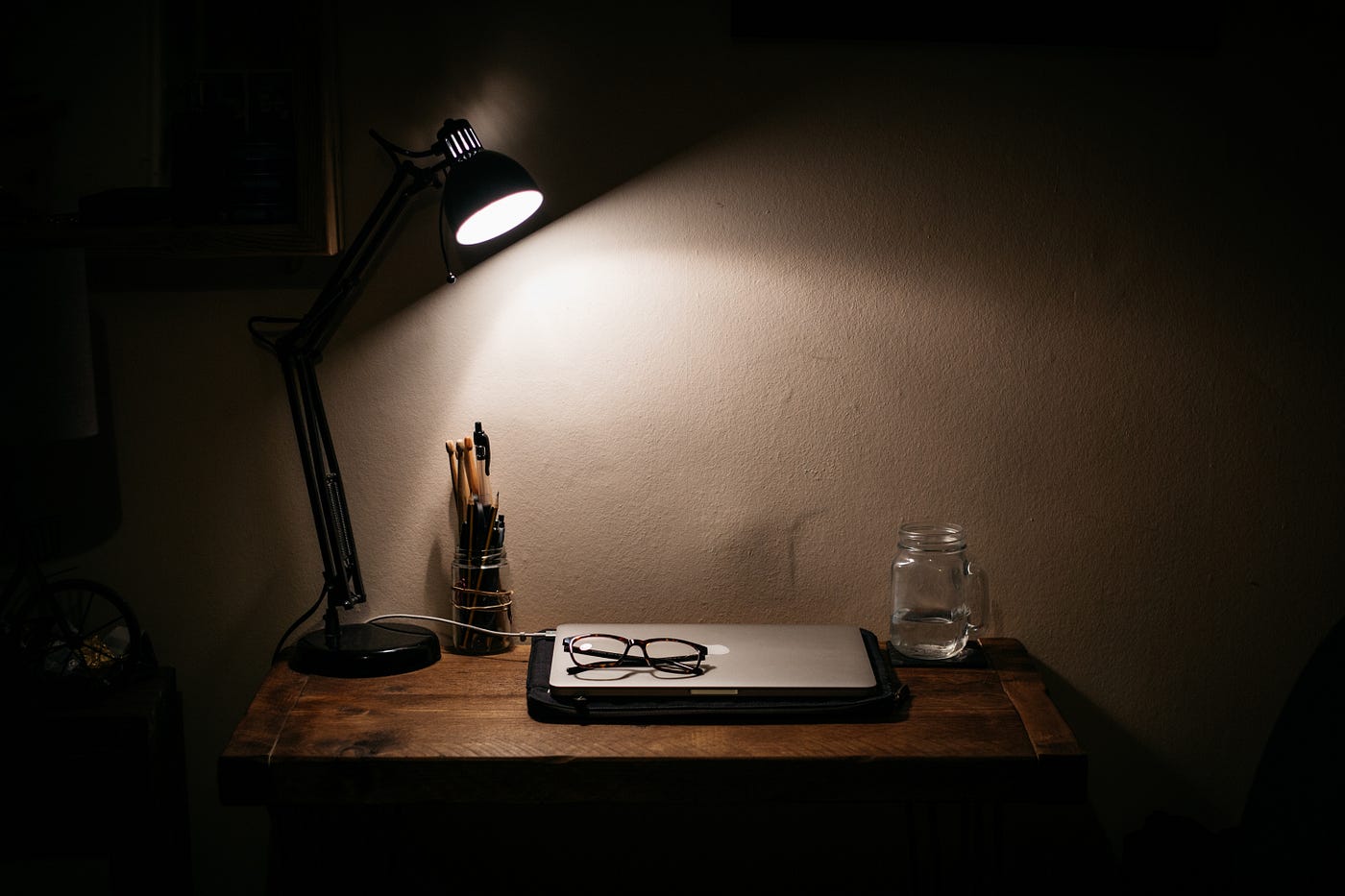
Night owls are not lazy, undisciplined, or poorly motivated. They are neurologically distinct. Research from Imperial College London demonstrates that evening chronotypes score 13.5% higher on cognitive assessments than morning types, with peak performance arriving not at dawn but at dusk. Yet most organizational structures, productivity advice, and social judgment assume that 9-to-5 schedules are universal and that those who operate outside these hours are simply fighting their better nature.
This is backwards. The real productivity crisis for night owls isn’t an absence of discipline—it’s the systematic misalignment between their biology and their environment. When night owls work during their natural peaks, productivity increases up to 20% compared to forced early schedules. When forced into early hours, they become twice as likely to underperform.
This report presents seven evidence-based productivity hacks that work with night owl biology rather than against it. These are not motivational platitudes or willpower-dependent systems. They are structural interventions grounded in circadian neuroscience, practical scheduling, and real-world implementation strategies that transform evening hours from perceived weakness into documented advantage.
Part 1: Understanding Night Owl Biology—Why Your Peak Is Real
Before optimizing productivity, establish this foundation: your chronotype is not a choice, weakness, or character flaw. It is a genetic trait with approximately 50% heritability, determined by the CRY1 gene and your endogenous circadian system. You did not choose it any more than you chose your eye color.
The Cognitive Reality of Evening Types
Research consistently demonstrates that evening chronotypes exhibit superior cognitive performance during their natural peak hours (typically 6 PM–10 PM). Night owls show:
- 13.5% higher cognitive test scores compared to morning types in their peak window
- Peak reaction time and decision-making performance between 7 PM and 10 PM
- Enhanced divergent thinking ability—the capacity to generate multiple creative solutions to problems—particularly when processing visual information
- Optimal prefrontal cortex activation during evening hours, supporting complex problem-solving, strategic thinking, and executive function
Conversely, when night owls attempt deep cognitive work at 8 AM, they operate at 30–40% reduced capacity compared to their evening peak. This is not a motivation problem. It is a neurological reality.
The Misalignment Cost: “Social Jetlag”
Social jetlag describes the chronic mismatch between your internal circadian rhythm and external social demands. For night owls, this means sleeping according to early organizational schedules while your body’s melatonin (sleep hormone) doesn’t peak until well after midnight.
The consequences compound:
- Night owls forced into 8 AM starts accumulate a sleep debt across the workweek, then “recover” on weekends by sleeping according to their natural rhythm. This weekly rhythm disruption itself becomes a health stressor.
- Chronic social jetlag is linked to depression, anxiety, metabolic dysfunction, and impaired cognitive performance—independent of sleep duration.
- Studies show night owls forced into misaligned schedules exhibit double the risk of underperformance compared to morning types placed in aligned schedules.
The solution is not to “fix” night owls into morning people. That approach is both neurologically futile and counterproductive. The solution is structural: align work and productivity systems with actual chronotype.
Hack #1: Strategic Task Scheduling—Chronotype-Matched Allocation
This is the foundation. Do not treat your day as a monolithic 8-hour block where all tasks are equally important. Segment your day by task type and align task type to your natural energy cycles.
The Night Owl Daily Structure
| Time Block | Energy Level | Ideal Task Type |
|---|---|---|
| 8–10 AM | Low to moderate | Light admin, emails, routine work, planning |
| 10 AM–1 PM | Moderate | Meetings, collaboration, lighter communication |
| 1–4 PM | Moderate to high | Project planning, coordination, strategic discussions |
| 4–8 PM | Rising; approaching peak | Deep work, complex analysis, creative thinking |
| 8 PM–Midnight | Peak performance | Strategic work, major projects, creative breakthroughs, learning |
The key distinction: reserve your highest-value cognitive tasks for your actual peak hours, not the hours society designates as “productive.”
Implementation Strategy
Mornings (8 AM–1 PM): Front-load administrative and reactive work. Prepare a task list the evening prior of low-cognitive-demand items that don’t require deep focus. This removes decision fatigue from mornings and provides momentum. Examples: email triage, scheduling, expense reports, routine updates, team synchronization, and light planning.
The benefit: you’re not fighting your biology by attempting deep work when your brain naturally defaults to execution mode. You’re working with your circadian rhythm by reserving morning hours for exactly the type of work your brain handles well at low alertness.
Afternoons (1–4 PM): Meetings and collaboration. Afternoon represents a transition zone—energy is rising but not yet at peak. Afternoons are ideal for discussions, feedback, collaboration, and decision-making with others. Your cognitive capacity is sufficient for good judgment, but not yet at the deep-focus level required for solo strategic work.
Peak Evening Hours (6–8 PM or 8 PM–Midnight): This is where your competitive advantage lives. Schedule your most strategically important work during these hours: client deliverables requiring creative thinking, strategic analysis, complex problem-solving, major projects, or skill-building activities. A single 90-minute focused session during your peak produces more quality output than three fragmented daytime hours.
The result: one 90-minute evening deep-work session often outproduces 3–4 hours of scattered daytime effort, because you’re working at full cognitive capacity instead of operating at a neurological deficit.
Hack #2: Batch Similar Work—Context Switching Elimination
Most professionals destroy their productivity through constant task-switching. They attempt email, deep work, phone calls, and scheduling in random order throughout the day, paying a massive cognitive cost for each context shift.
For night owls, this becomes catastrophic: if you scatter shallow work (emails, calls, scheduling) throughout your evening peak hours, you fragment your most valuable cognitive window and lose the deep focus you naturally possess.
The Batching Framework
Consolidate all reactive work into 2–3 dedicated “shallow work blocks” rather than scattering it throughout the day:
- Block 1: 11 AM–12 PM — Email, messages, routine communication
- Block 2: 4–4:30 PM — Phone calls, quick meetings, scheduling
- Block 3: 5–5:30 PM — Final administrative tasks before evening peak
Outside these blocks, these reactive channels are closed. You don’t check email continuously; you check it twice daily. You don’t respond to messages as they arrive; you respond during designated shallow-work blocks.
Implementation: The Email Example
Set an auto-responder: “I check and respond to email at 11 AM and 5 PM to maintain focus on important work. Your message will receive a response within these windows.”
This sounds extreme. But research shows people adjust expectations rapidly when batched communication is consistent. The benefit: your evening peak hours (6–9 PM) remain uninterrupted, allowing you to enter the deep focus states where 90% of your value gets created.
The Math
A typical professional experiences a 20–40 minute context-switching cost each time they shift between task types (email to deep work, call to analysis, etc.). If you eliminate context switches by batching similar work:
- Traditional scattered approach: 6–8 context switches daily = 2–5+ hours lost to switching costs
- Batched approach: 2–3 context switches daily = 40–120 minutes lost
That reclaimed 1–4 hours of cognitive capacity can be redirected to high-value work during your peak evening hours, where it compounds into measurable output gains.
Hack #3: Protect Evening Peak Hours—The Non-Negotiable Calendar Block
Your evening peak is not a luxury; it is your primary productivity asset. Protect it with the same rigor you would protect a board meeting or customer call.
Calendar Blocking Strategy
Schedule your 6–9 PM peak hours (or your personal peak, if different) as an ironclad “deep work only” block. Mark it on your calendar as “Do Not Disturb.” Set your communication status to “Available after 6 PM—please defer non-urgent communication.”
If your organization uses shared calendars, this signals availability clearly and prevents others from booking over your peak. If you use Slack or Teams, set a custom status: “Deep work 6–9 PM; available for async messages.”
Negotiating Unavoidable Meetings
When meetings are genuinely non-negotiable, insist on daytime slots (10 AM–2 PM) rather than evening. This is not unreasonable. Most people have some flexibility. Frame it straightforwardly: “My peak cognitive capacity is 6–9 PM when I deliver my highest-value work. I’m available for meetings 10 AM–2 PM to accommodate collaboration needs. Can we schedule this meeting during that window?”
In most cases, organizations are flexible once you articulate the rationale. The ones that aren’t willing to accommodate different chronotypes are not good long-term employers for night owls anyway.
Asynchronous Communication Setup
Use tools like Slack, Asana, Microsoft Teams, or Notion to enable asynchronous collaboration. Post your updates, ideas, and work products in the evening when you complete them. Morning people will see your contributions when they arrive at work. You check their morning messages during your afternoon shallow-work block.
This eliminates the false requirement for real-time synchronization across incompatible chronotypes.
Result: Protecting 10–15 hours weekly of uninterrupted peak-performance work accumulates into staggering productivity differences across months and years.
Hack #4: Manage “Social Jetlag”—Strategic Rhythm Adjustment (When Required)
Ideally, you work in an environment offering chronotype flexibility: start time 9 AM or later, evening work encouraged, asynchronous collaboration enabled. In this scenario, stay in your natural rhythm (bedtime 1–3 AM, wake 9–11 AM) and skip this hack.
But many night owls face rigid early start times. If you’re forced into misalignment, here are evidence-based interventions to minimize damage.
Gradual Phase Advance (When Changing Schedule Is Necessary)
Research from Monash University demonstrates that night owls can shift their circadian rhythm earlier using practical interventions—but the shift is modest and requires discipline.
3-Week Protocol:
- Morning Light Exposure: Immediately upon waking (or even before, if possible), expose yourself to bright natural light. This is the most powerful circadian stimulus. 20–30 minutes of outdoor light 10,000+ lux (daylight) advances circadian rhythm faster than any other intervention.
- Early Meals: Eat breakfast within 30 minutes of waking. Meal timing is a secondary circadian cue. Combining morning light + early breakfast amplifies the phase-advance effect.
- Gradual Bedtime Shift: Don’t jump from midnight bedtime to 10 PM overnight. Move your bedtime earlier in 20-minute increments every 5 days. So: midnight → 11:40 PM (5 days) → 11:20 PM (5 days) → 11:00 PM, and so on.
- Evening Light Reduction: Two hours before your target bedtime, eliminate bright light exposure. Use dim lighting, activate your devices’ blue-light filters, or wear blue-light blocking glasses.
- Consistent Timing: Maintain this schedule every day, including weekends. Consistency is the determining factor; sporadic adherence fails.
Expected Results: A realistic shift is 1.5–2 hours earlier. You cannot shift 3+ hours without significant sleep loss or unsustainable willpower.
Critical Caveat: This protocol works during active intervention. Most night owls revert to their natural rhythm if external pressure is removed, because your chronotype is determined by genetics. This means if you’re shifting to accommodate a job, and then change jobs, your natural rhythm will re-establish itself.
Alternative Approach (Preferred If Possible): Rather than force yourself earlier, negotiate core collaboration hours. “I work best 10 AM–3 PM for meetings and synchronous work, with flexible start times.” Many employers now offer this.
Hack #5: Caffeine and Melatonin Timing—Neurochemical Optimization
Caffeine and melatonin are potent circadian modulators. Most night owls use them poorly, amplifying sleep disruption instead of leveraging them strategically.
Caffeine Strategy for Night Owls
The Problem: Caffeine has a half-life of 5–7 hours. This means caffeine consumed at 3 PM is still 50% active in your system at 8–9 PM, disrupting your ability to fall asleep even if you maintain your natural late bedtime.
The Rule: Avoid caffeine after 2 PM for bedtimes around midnight. If you sleep at 1–2 AM, your caffeine cutoff is noon to 1 PM.
The Research Finding: 400 mg of caffeine (roughly two large coffees) consumed 4 hours before bedtime reduces perceived sleep quality by 34% and increases sleep fragmentation significantly. Even if you fall asleep, sleep architecture is degraded, meaning you wake less rested despite similar total sleep duration.
If You Must Use Caffeine During Peak Work Hours: Limit to 100–200 mg between 3–4 PM maximum. This provides alertness boost without delaying your evening sleep onset excessively.
For Night Shift Work (if applicable): Research on optimal caffeine timing for shift workers shows personalized dosing beats one-size-fits-all guidelines. Rather than a single 200 mg dose, three 200 mg doses spaced 2 hours apart, starting at 1 AM (for 22:00–06:00 shift), reduced alertness impairment by 85% versus standard Army guidelines.
Melatonin for Gradual Phase Shift (If You’re Deliberately Shifting Earlier)
If you’re using the Monash protocol to shift earlier:
- Dose: 0.5–1 mg (NOT 3+ mg; higher doses cause daytime grogginess without better phase shift).
- Timing: 4–5 hours before your desired sleep time. So if you’re trying to shift to midnight bedtime, take 0.5 mg melatonin at 7–8 PM.
- Research: Maximum phase advance via melatonin occurs when taken 10–11 hours before your sleep midpoint.
Critical: Melatonin is most effective for shifting circadian rhythm earlier, not for maintaining a late sleep schedule. If your goal is to stay in your natural late schedule, melatonin is counterproductive—it pulls your rhythm earlier precisely when you’re trying to protect your evening productivity.
Avoid: Evening caffeine delays your circadian melatonin rhythm by ~40 minutes, further phase-delaying your system when you’re trying to maintain late hours. This creates a vicious cycle where caffeine-driven evening work pushes your sleep later, forcing you to wake later, missing morning light exposure that would normally regulate your rhythm.
Hack #6: Asynchronous Communication Systems—Reducing Morning Friction
Most organizational friction for night owls stems not from capability but from forced synchronization across incompatible chronotypes. Everyone must be in meetings at 9 AM, respond to email immediately, and participate in real-time collaboration—all during hours when night owls are neurologically at their worst.
The Asynchronous Framework
Shift your organization (or your personal work) toward asynchronous-first communication where possible:
Morning (8 AM–10 AM): You review overnight messages and updates from the morning team. You respond to non-urgent communication. You don’t need to be “live” or in real-time collaboration.
Midday (11 AM–1 PM): Core collaboration hours when both early and late chronotypes can participate reasonably well. This is the designated window for synchronous meetings, real-time collaboration, and decisions requiring immediate input.
Afternoon/Evening (2 PM–Midnight): You work on your high-value deliverables, post updates to shared systems (Asana, Notion, etc.), leave detailed comments on work products, and progress projects. Morning people will see your contributions and detailed input when they arrive tomorrow.
Tools Enabling This Model:
- Slack: Set status “Night owl—available after 6 PM”; use threading to segment conversations; async-friendly culture normalizes delayed responses.
- Asana/Monday.com: Collaborative work visible to all; comments and updates asynchronously reviewed.
- Notion: Shared knowledge base; updates and documentation completed evening; team reviews morning.
- Rivva (specialized): Explicitly designed for chronotype-aware scheduling; prioritizes matching people to work during their peaks.
For Creative/Technical Teams (engineering, design, marketing): This model often increases output because people are contributing during their actual peak cognitive hours instead of forced early times.
Hack #7: Evening-Optimized Stress Management—Cortisol-Aligned Recovery
Standard productivity advice recommends morning meditation, early exercise, and wake-up routines. For night owls, this is biologically backwards. Your cortisol (stress hormone) doesn’t peak until later in the day. Your emotional regulation and capacity for self-reflection peak in the evening.
Chronotype-Aligned Stress Management
Timing: Conduct stress-reduction practices (meditation, journaling, breathwork) between 7–10 PM—your personal window of peak emotional regulation.
Techniques:
Body Scan Meditation (8 PM): Lie comfortably and systematically bring awareness to each body part. Because your interoceptive awareness (body sensation awareness) peaks in evening, you notice subtle tension patterns that morning sessions miss. Duration: 10–15 minutes. This catches accumulated tension and triggers parasympathetic response, preparing your nervous system for quality sleep.
Progressive Muscle Relaxation (7–9 PM): Systematically tense and release muscle groups from toes to head. Your body’s natural preparation for sleep amplifies this technique’s effectiveness. Duration: 15–20 minutes.
Evening Journaling (8–9 PM): Process the day’s events and emotions through writing. What went well? What triggered stress? What did you learn? This shifts your evening from rumination mode to reflective mode, clearing mental clutter before sleep.
Why This Timing Works: Your cortisol rhythm naturally declines in evening. Mindfulness practices amplify this natural decline. Practicing during your biological wind-down window means stress relief feels effortless rather than forced.
Research Finding: Night owls who shifted their mindfulness practice from mornings (where it felt like grinding willpower) to evenings reported noticeable improvements in anxiety, emotional balance, and sleep quality within one week.
Bonus Benefit: Evening stress management also improves next-day performance. Quality sleep consolidates learning, restores emotional regulation, and prepares your nervous system for tomorrow’s peak. Stress management that disrupts sleep (like forced morning routines that then trigger caffeine dependency) defeats the purpose. Evening practices support both immediate stress relief and long-term performance.
Part 2: Managing Relationships and External Pressure
A significant challenge for night owls isn’t internal motivation—it’s external friction from early-chronotype partners, colleagues, and cultural judgment.
When You’re Partnered with an Early Riser
If you live with someone whose natural wake time is 6 AM and yours is 9 AM, conflict emerges around sleep disruption, shared time, and whose schedule “takes precedence.”
Evidence-Based Compromise:
The 10/10 Rule: No important decisions, arguments, or major conversations before 10 AM or after 10 PM. Both of you should be clear-headed. This prevents the early riser from wanting to discuss the mortgage at 7 AM when the night owl is barely awake, and prevents late-night arguments that disrupt sleep.
Quality Time Outside Sleep: Invest in shared evening time together (dinner, conversation, activities) rather than forcing shared early morning. Or schedule shared morning time on weekends when both can adjust.
Sleep Environment Separation (if applicable): If bedroom disruption is significant, consider separate sleeping spaces. This sounds extreme but is far preferable to chronic sleep debt from the night owl’s perspective. Maintain intimacy and connection in other spaces.
Wait 1+ Hour Rule: If the night owl comes to bed after the early riser, wait 60–90 minutes (the early riser’s deep sleep window) before entering the bedroom. Noise during light sleep causes fragmented sleep; noise during deep sleep is less disruptive. This simple timing reduces “he/she wakes me up when coming to bed” friction significantly.
The Fundamental Principle: Neither chronotype is better or more valid. Both should be respected. The night owl’s rhythm is not laziness or dysfunction; it’s biology. Forcing a night owl into early mornings creates the same cognitive deficit as forcing an early riser into late nights.
Workplace Chronotype Bias
Many organizations inadvertently penalize night owls through:
- Early-morning-only meeting schedules
- Cultural bias toward “early risers are disciplined” (which is factually unsupported)
- Assumptions that 9 AM start time is non-negotiable
- Performance evaluations that ignore quality of output and focus only on visible “face time”
If You Face This:
- Document your output: Track projects completed, quality metrics, and outcomes. Demonstrate that your evening work produces results.
- Propose a pilot: “Let me try starting at 10 AM for three months. We’ll measure productivity, project quality, and meeting participation. If outcomes improve, we continue.”
- Offer a compromise: Core hours 11 AM–2 PM when you’re available for meetings; flexible start/end times outside that window.
- Seek remote/flexible roles: Post-COVID, more organizations offer flexibility. Night owls often thrive in these environments.
- If resistance is insurmountable: Consider whether this organization is worth the chronic stress of fighting your biology. You’ll be more productive and healthier elsewhere.
Part 3: Measurement and Implementation
Week 1: Track your natural energy levels across a typical week. Note when you feel sharpest, most creative, most tired, and most focused. Identify your actual peak window (likely 6 PM–10 PM, but verify).
Week 2: Implement Hack #2 (batching) first. Consolidate email into two blocks. Observe friction and adjust. Most people find context-switching reduction produces immediate noticeable productivity gains.
Week 3: Layer in Hack #1 (task scheduling). Front-load mornings with admin work. Reserve evening for deep work. Track output quality and quantity.
Week 4: Implement Hack #3 (calendar protection). Block your peak hours and protect them.
Weeks 5–6: Add Hacks #4–7 as they apply to your situation.
Measurement Approach:
- Quality of output, not hours worked (one focused evening hour > three fragmented morning hours)
- Projects completed successfully on time
- Error rate and quality metrics
- Your personal energy and stress levels
- Sleep quality and morning rested-ness
Track these for a baseline month (before changes), then for a full month after implementing the hacks. Compare.
Conclusion: Claiming Your Advantage
Night owls are not broken versions of morning people. They are neurologically distinct in ways that confer genuine cognitive advantages: higher analytical capability during peak hours, superior creative thinking, and often greater emotional depth. These are not marginal benefits—they are 13.5% higher cognitive test scores and 20% productivity increases when work aligns with natural rhythm.
The productivity problem for night owls is not discipline or motivation. It is misalignment. When you stop fighting your biology and start structuring work around it—strategic task scheduling, batch processing, protected peak hours, asynchronous communication, chronotype-aligned stress management—your productivity doesn’t just improve. It transforms.
These seven hacks are not productivity hacks in the traditional sense of squeezing more work into your day. They are alignment hacks: mechanisms to structure your work so that when you work, you’re operating at full cognitive capacity rather than at a neurological deficit.
The compound effect is profound. An extra 10 hours weekly of genuine deep-work capacity, at full cognitive performance, across 50+ weeks annually, across years—this is how night owls who leverage their chronotype advantage outpace morning people doing “traditional” productivity systems.
Your evening peak is not a bug. It is your primary asset. Protect it. Optimize for it. Build your entire system around it. This is how you own your productivity as a night owl.